Articles · Topic
Tutorials
7 articles
-
 Tutorial How Claude Code Handles Memory About Your Project You correct Claude on the same thing for the second time and wonder whether it will remember it this time. Claude Code now has two layers of persistent memory: rules that you write, and notes that it keeps on its own. Both are plain Markdown files on your disk. That is the biggest advantage of the whole approach and also its weakness, because a note in a file only helps if Claude remembers to open it. How do you work with this so that you end up satisfied?
-
 Tutorial Fewer Subagents, or When Too Many Agents Hurt in Claude... It's tempting. You split an agent into specialists, each team takes its own piece, and an orchestrator ties it all together at the top. Finally, dozens of agents are working for you! It looks clean, it grows along with the organization, and everyone knows what they're responsible for. Based on its experience with enterprise deployments, Anthropic claims that such a setup often performs worse, runs slower, and costs more than a single agent with Skills. So when should you merge subagents, when should you keep them, and how do you tell that merging didn't break something?
-
 Tutorial Decision Models: Cheap AI That Picks the Right Answer Did you pull the right data out of a document? Did you correctly detect the OK button in an interface? Decision models handle this better than a regular LLM. Jev started it, and within two weeks more than ten models appeared around this problem. Cloudflare, Perplexity, Amazon and OpenAI have all entered the game. I'll show you how to find your way around them, what they cost and, above all, which tasks they're really good for.
-
 Tutorial Jev: the model that doesn't write, it just decides. How to use it and when it pays off It has the AI community buzzing. Jev from TypeSafe can't write a single sentence, but for a fraction of the price of Haiku it answers a yes/no question, picks from a list of options or gives a score. So I went to try it out...
-
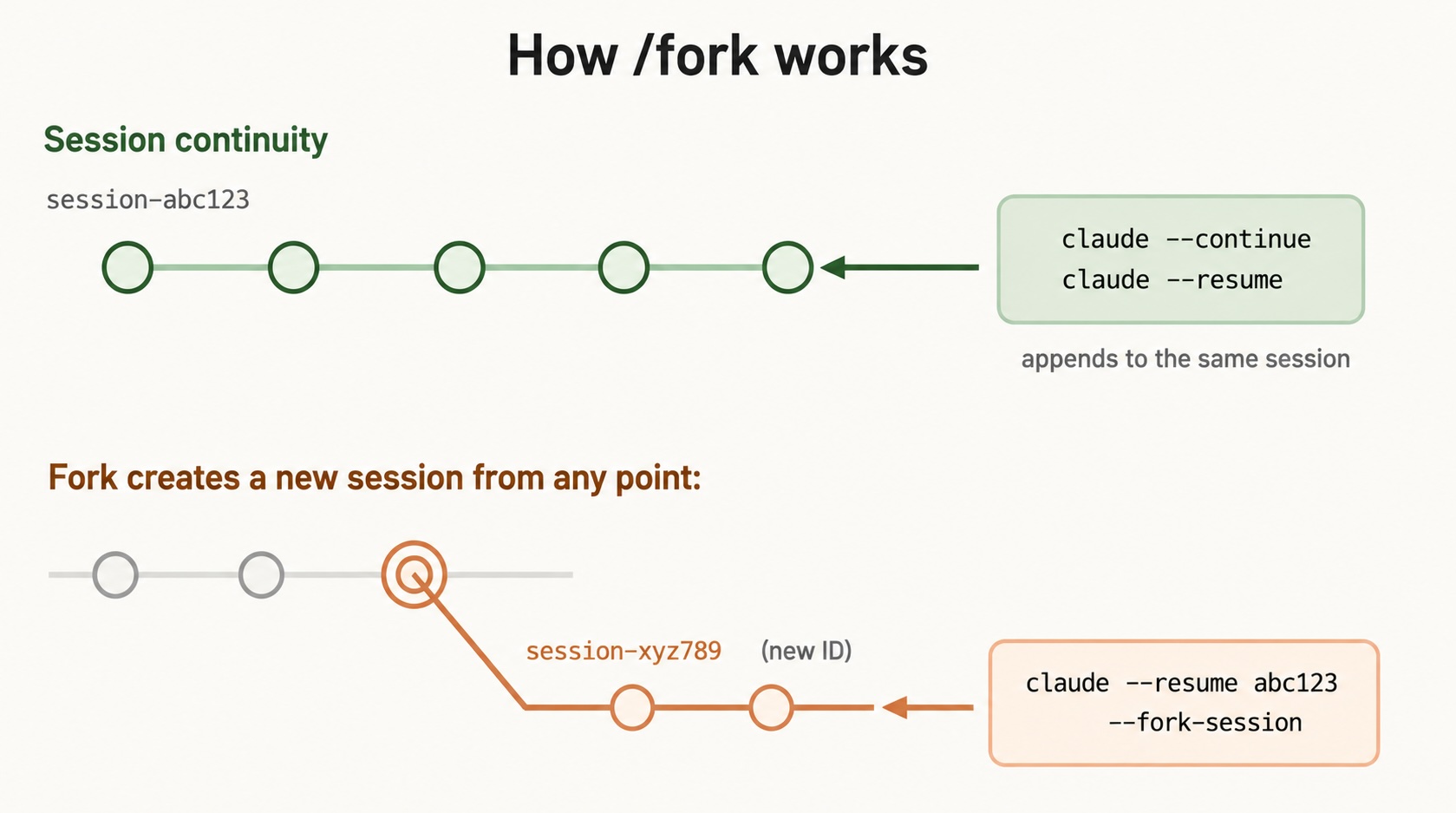 Tutorial Claude Code rewrote /fork. For the second time this month. And this time, it was useful Anthropic has changed the /fork in Claude Code for the second time this month; it’s now a background agent with inherited context. This time, it’ll come in handy. How do you work with it?
-
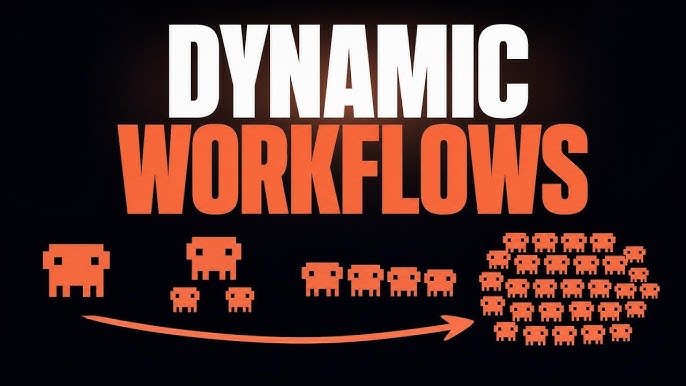 Tutorial Dynamic Workflows in Claude Code: An Announced Experiment Now Set to Be Put to the Test Anthropic has introduced a new feature called Dynamic Workflows in Claude Code, alongside the Opus 4.8 model. Claude writes its own orchestration script, which launches tens to hundreds of parallel subagents in a single session, and checks the results itself before delivering them to you.
- Tutorial Claude Code Hooks — The Complete Guide Hooks let you run shell commands before and after every Claude Code action. Here's how to use them to enforce linting, automate git, and build custom workflows that run silently in the background.